
Your Compass for a Smooth Relocation
Packing up your life and moving across the country? That’s a huge adventure! But let’s be honest, it can also feel incredibly stressful. Finding the right long-distance movers is crucial to making sure your transition is smooth and, dare we say, stress-free. With countless options out there, how do you cut through all the noise and pick a company you can truly trust?
We’ll explore what makes a great long-distance moving company and share essential tips to help you navigate this massive undertaking without losing your mind. From checking out what other customers say to comparing quotes, we’ll walk you through everything you need to know to make a smart choice. Say goodbye to moving headaches and hello to a fresh start in your new place! Let’s make your long-distance move genuinely enjoyable.
Understanding the Long-Distance Journey
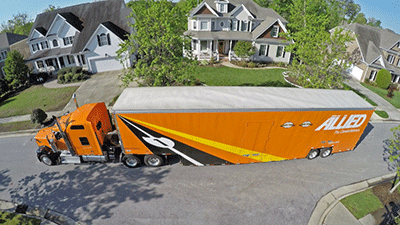
Moving a long distance isn’t just a bigger version of a local move; it’s a whole different ballgame. We’re talking about relocating your entire home over a significant distance, usually anything over 100 miles. This could mean crossing state lines (an interstate move) or just moving a long way within the same state (intrastate). Unlike a quick hop down the street, long-distance moves demand serious planning, detailed logistics, and a lot of coordination to get everything where it needs to go, safely and on time.
One of the biggest hurdles is simply the sheer volume of stuff you’re moving. The farther your belongings travel, the more complex the logistics become. Ensuring every single item is packed securely, labeled clearly, and loaded efficiently is absolutely critical to avoid damages or, even worse, losing something important. Plus, long-distance movers have to deal with various rules and regulations, especially when crossing state lines, which adds extra layers of complexity to the entire process.
Beyond the boxes and logistics, there’s the emotional side. Leaving behind familiar places, friends, and daily routines can be tough. But with good planning and the right mindset, it’s also an exciting chance for a new beginning. When you understand what a long-distance move truly involves, you can prepare better, manage the inevitable stress, and focus on the exciting parts of your new journey.
Why Picking the Right Movers is a Game-Changer
Choosing the right long-distance movers isn’t just important; it’s absolutely vital for a smooth relocation. A reliable moving company brings expertise, resources, and crucial support to handle all the tricky bits of a big move. On the flip side, picking someone unreliable or inexperienced can lead to a nightmare scenario: damaged or lost items, frustrating delays, and unexpected costs that blow your budget.
The best movers will have a solid track record of successful long-distance relocations. They’ll be properly licensed and insured, adhering to all industry standards and regulations. This isn’t just about paperwork; it gives you real peace of mind knowing your cherished belongings are in safe hands. Plus, top-tier movers offer a full range of services, from packing everything up and loading it onto the truck, to safely transporting it and even unloading it at your new doorstep. They tailor these services to fit your specific needs, so you’re not paying for things you don’t want.
Experienced movers also act as invaluable guides. They can help you plan, offer smart packing tips, and patiently answer any questions or concerns that pop up along the way. By choosing the right team, you can shed a huge amount of the stress that comes with a long-distance move and actually look forward to settling into your new home.
What to Look For: Key Factors When Choosing Your Movers
When you’re sifting through potential long-distance movers, a few key things really stand out. These are the details that separate the good from the great.

First off, credentials matter. Seriously. Make sure the company is licensed by the Department of Transportation (DOT) and has a valid Motor Carrier (MC) number. This isn’t just bureaucracy; it means they’re legally authorized to handle interstate moves. You can look up a company’s DOT number on the Federal Motor Carrier Safety Administration (FMCSA) website to verify their license and safety record. For instance, in 2023, the FMCSA received over 6,000 complaints against movers, highlighting the importance of checking these credentials.
Next, dig into their experience and reputation. Look for movers with a solid history of successful long-distance relocations. Don’t just take their word for it. Head to online review platforms like Google, Yelp, and the Better Business Bureau (BBB). Pay close attention to what other customers are saying. Are there consistent patterns of praise for their professionalism, efficiency, and care with belongings? A company with a BBB rating of A+ and consistently positive reviews (e.g., 4.5 stars and above on Google with a significant number of reviews) is a strong indicator of reliability. Conversely, watch out for companies with numerous complaints or very few reviews.
Also, think about the range of services they offer. Do you need full-service help with packing, or are you just looking for transportation? Make sure they can customize their services to fit your needs. And don’t forget to ask about their availability, pricing structure, and how they handle disputes if something goes wrong. A clear, transparent process from the start is a huge green light.
Finally, always, always verify their credentials. Use the DOT and MC numbers to check their status on the FMCSA website. You can see if their licenses are active and if they have any safety violations or complaints lodged against them. Also, check if they’re members of professional associations like the American Moving and Storage Association (AMSA). While not mandatory, membership often indicates adherence to higher industry standards and ethical practices. For example, AMSA members agree to abide by a Code of Ethics, offering an extra layer of consumer protection.
What to Ask: Key Questions for Potential Moving Companies
First, ask about their experience with long-distance moves specifically. How long have they been in business? How many long-distance relocations do they handle in a year? A company that specializes in long-distance moves, like one handling over 500 such moves annually, likely has the expertise you need.

Next, get the full scoop on their licensing and insurance. They should be able to provide proof of their DOT and MC numbers without hesitation. Then, dig into their insurance coverage. What exactly does it include? What are their liability policies if something gets damaged? Understanding whether they offer basic liability (which is minimal, often 60 cents per pound per item, according to FMCSA guidelines) or “full value protection” (where they’re responsible for the replacement value of damaged items) is critical for protecting your belongings. According to industry reports, opting for full value protection, while an added cost, can reduce your out-of-pocket expenses by over 90% if significant damage occurs compared to basic liability.
Finally, be clear on pricing and payment policies. Demand a detailed, written estimate that breaks down every potential cost – packing materials, transportation, fuel surcharges, stairs, long carries, bulky item fees, etc. Ask about their payment terms. Do they require a deposit, and if so, how much? Be extremely wary of companies demanding large upfront payments or giving estimates that are significantly lower than everyone else. The BBB warns that estimates that are too good to be true are often a sign of a scam. Reputable movers typically don’t ask for more than a 20-25% deposit.
Comparing Quotes: Beyond Just the Price Tag
When you have a few quotes in hand, resist the urge to just pick the cheapest one. Comparing moving quotes is about finding the best value, not just the lowest number.
First, request quotes from at least three different companies to get a solid sense of market rates. Ensure each quote is itemized and detailed. This lets you compare apples to apples. Look closely for any “hidden fees” or vague charges. Sometimes a lower initial quote hides expenses for things like packing materials, shuttle services if a large truck can’t access your street, or charges for flights of stairs. Clarify every ambiguous term. For example, some companies might quote based on estimated weight, which can change. A “binding estimate” guarantees the total cost, while a “non-binding estimate” can fluctuate. Opting for a binding estimate provides far more financial security.
Also, evaluate the level of service each company is offering. A cheap quote might mean you’re expected to do all the packing and loading yourself. If you’re looking for a full-service experience, make sure those services are explicitly included in the price. The peace of mind and time saved by comprehensive services can often outweigh a slightly higher initial cost, particularly for a long-distance move where the stakes are higher.
Don’t Get Caught: Common Moving Scams to Avoid
Sadly, moving scams are a real problem, so it’s vital to know the red flags. One classic scam involves lowball estimates. A company might give you an unbelievably cheap quote to hook you, only to demand a much higher fee once your belongings are loaded onto the truck and “held hostage” until you pay up. Always get a detailed, written estimate, and be wary if it’s significantly lower than other reputable companies.
Another red flag is being asked for a large upfront payment or full payment before the move. Reputable companies have clear, transparent payment policies and won’t demand huge deposits. As mentioned, a typical deposit is 20-25%. If a company asks for more, walk away.
Also, be cautious of movers who operate under different names to avoid detection. Always verify their DOT and MC numbers and check for any complaints filed against them. A quick check on the FMCSA website can reveal a lot about a company’s safety record and complaint history. For instance, the FMCSA’s “Protect Your Move” initiative highlights common scam tactics and how to verify movers. By doing your homework and staying vigilant, you can steer clear of fraudulent movers and ensure a safe, successful relocation.
Conclusion: Your Confident Path to a Stress-Free Long-Distance Move
Moving across the country is undoubtedly a huge undertaking, but it doesn’t have to be a nightmare. By picking the right long-distance movers, you ensure your belongings are handled with the care they deserve and arrive safely at your new home. Focus on vetting companies based on their credentials, experience, and the range of services they offer.
Diligent research, asking smart questions, and carefully comparing quotes will empower you to select a mover you can trust. Preparing effectively by decluttering, packing methodically, and staying organized will set the stage for a smooth transition. And by being aware of common moving scams, you add another layer of protection for yourself and your possessions.
Ultimately, a stress-free long-distance move is entirely within reach with careful planning and the right support. Embrace the adventure of moving to a new place, and enjoy the fresh start that awaits you!
